
Manipulation, sloganizing, depositing, regimentation, and prescription cannot be components of revolutionary praxis, precisely because they are the components of the praxis of domination.
In today’s fast-paced digital era, companies are competing vigorously for one of the most valuable resources: your attention. The advent of technological advancements has not only changed the way we work and perceive the world but has also given rise to a new market of data – one that trades in the future of humanity.
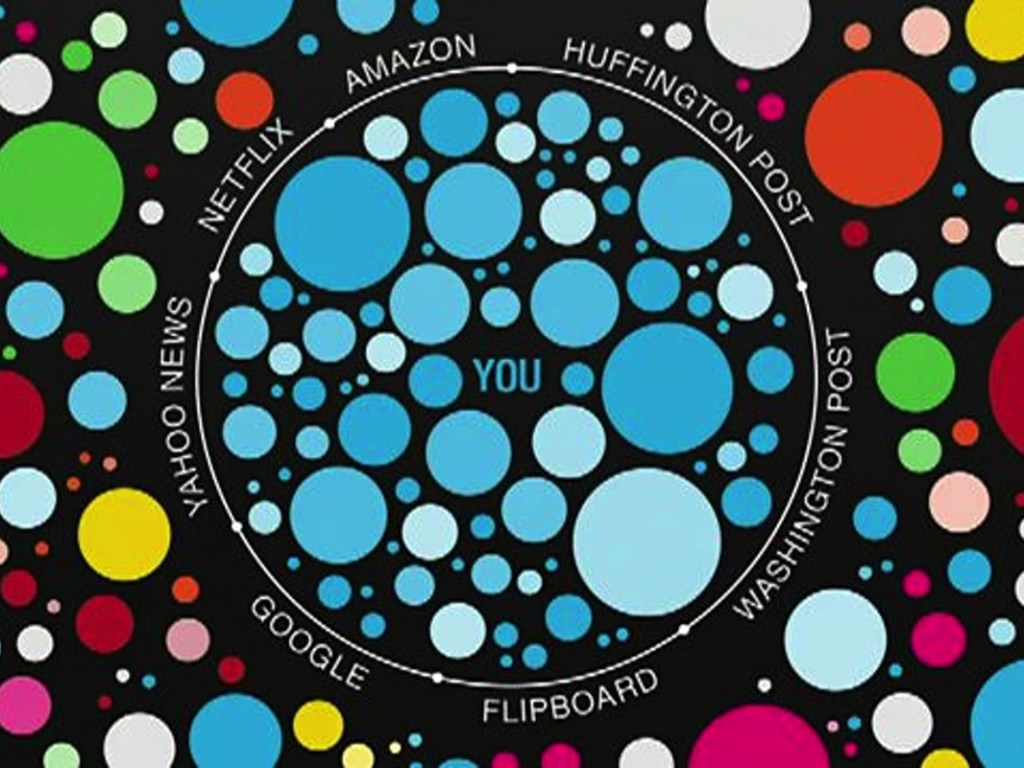
Every action we take in the online realm is being recorded and meticulously watched. As Twitter’s former executive, Jeff Seibert, points out, these companies have more information about us than ever before in human history. From our personality types to our romantic partners, they have detailed logs of our lives. But their intentions don’t stop at merely collecting data; they use it to build intricate models that predict our every action, from the videos we watch to the photos we like. It’s a world where technology has transitioned from being tool-based to manipulation-based.
The Main Goals of These Companies
Let’s delve into the primary goals that drive these tech companies:
1. Engagement Goal – Keeping You Hooked – They aim to keep you constantly engaged, ensuring you spend as much time on their platforms as possible. The longer they can hold your attention, the more valuable you become to them.
2. Growth Goal – Ensuring You Keep Coming Back for More These companies want to create addictive user experiences, leading you to keep returning to their platforms day after day.
3. Advertisement Goal – Targeting You with Personalized Ads by collecting vast amounts of data about you, they can tailor advertisements specifically to your interests and preferences, increasing the likelihood of you making a purchase.
The World of Online Connection

Technology is a gift for mankind but slowing it is obscuring our life
online connections have become primary in our lives because they tap into our psychological tendencies, such as the need for validation, the desire for social belonging, and the quest for self-expression
In this technologically driven world. We’ve become accustomed to refreshing our pages and being rewarded with new content, an experience known as positive intermittent reinforcement. This psychological tactic keeps us coming back for more, seeking that satisfying feeling.
Companies also leverage our inherent need for tagging and social validation to maintain our attention. The “typing” indicator on messaging platforms is strategically used to keep us engaged, waiting eagerly for the response.
Unknowingly Used as Lab Rats
Unbeknownst to many of us, we are unwittingly used as lab rats by these companies. They exploit vulnerabilities in human psychology, manipulating our behavior to keep us hooked on their platforms. As technology evolves, algorithms play a significant role in guiding our attention and actions. The unsettling truth is that our choices and decisions are influenced by these algorithms, designed to shape our online experiences.
Back in 2014, Facebook conducted a pretty interesting (and controversial) Emotional Contagion Study. They wanted to see how our emotions can be influenced by what we see online, so they played around with our News Feeds. Some lucky users got to see positive stuff, while others saw more negative content. And guess what? It had an impact! Those who were surrounded by positive posts started sharing more positivity, while the ones exposed to negative updates ended up posting more negative stuff. Quite fascinating, right? But it also sparked a debate about whether such experiments should have been done without our knowing. After all, emotions are powerful, and we should have a say in what we’re exposed to online.
Beyond Tools: The Age of Manipulation

Intriguingly, only two industries refer to their customers as “users” – the illegal drug industry and the software industry. This striking similarity highlights how technology has transitioned from being a mere tool to a potent means of manipulation. As our attention is meticulously guided by algorithms, we must recognize the implications and consequences.
Instagram’s “Like” Button and Notifications (2021): Instagram, a widely-used social media platform, employs psychological tactics to ensure user engagement. A notable example is the infamous “Like” button, which triggers a release of dopamine in the brain when users receive likes on their posts. This pleasurable sensation reinforces the desire for more likes, resulting in addictive behavior and prolonged usage of the platform. Moreover, Instagram’s notifications are strategically crafted to entice users to check the app frequently, fostering a sense of constant connection and dependency. These deliberate tactics keep users hooked, contributing to the platform’s popularity and the amount of time spent on it.
- Netflix’s Content Recommendation (Ongoing): Netflix’s recommendation system is a prime example of how tech companies manipulate user behavior to increase engagement. By analyzing user viewing history and preferences, Netflix provides personalized content suggestions, creating a seamless and binge-worthy viewing experience. This personalization keeps users immersed in the platform for longer periods, ultimately leading to increased subscription retention and revenue for Netflix.
The Severe Consequences
The consequences of these manipulations are severe, especially for the younger generation. In a groundbreaking study spanning the past decade, researchers have delved into the intriguing world of “addictive technological behaviors” and their deep connections with comorbid psychiatric disorders. Such as attention-deficit/hyperactivity disorder( ADHD), obsessive compulsive disorder (OCD), Anxiety, Depression etc.
The sense of self-worth and identity among kids is being affected as they chase a fake sense of popularity online, often leading to serious consequences. Disturbingly, suicide rates among girls aged 15-19 increased after 2010-11, indicating the gravity of the situation. An entire generation is being conditioned to use digital pacifiers to escape real-life situations, impacting their mental and emotional well-being.
Algorithms: Opinions Embedded in Codes
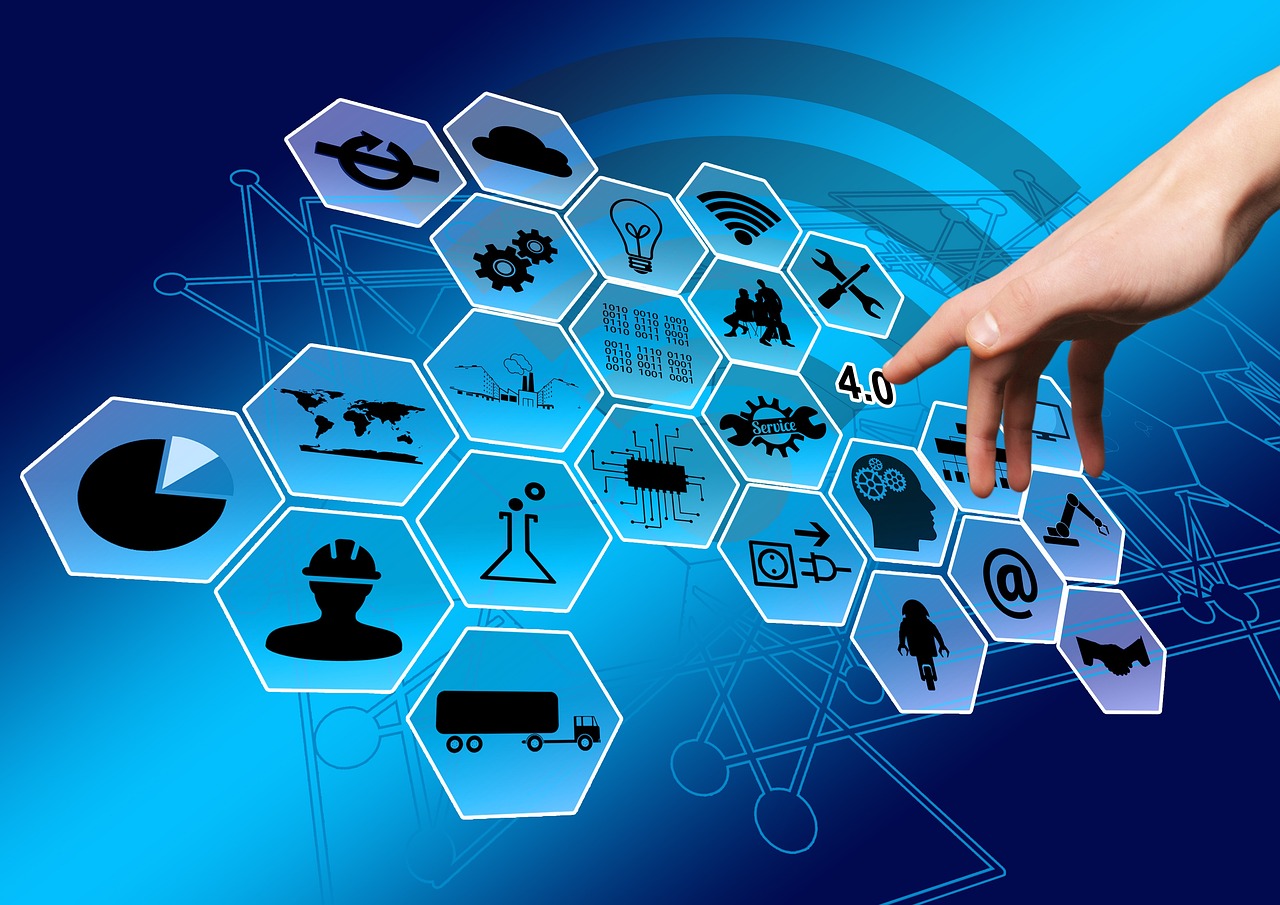
The exponential technological advancements are facilitated by algorithms, which Cathy O’Neil, Author of Weapons of Math Destruction, aptly describes as opinions embedded in codes. These algorithms influence our passive perceptions, shaping the information we receive and consume.
These algorithms are not like the traditional weapons we see in action movies, but they can be just as destructive. They lurk behind computer screens and are used in various areas of our lives, like education, job applications, and even our interactions with the criminal justice system.
One of the most troubling aspects of the Weapons of Math Destruction book is how they perpetuate biases. You might be wondering, “What are biases?” Well, biases are unfair beliefs or judgments that favor one group of people over others. Unfortunately, some algorithms unintentionally carry these biases, leading to unfair and unequal treatment for certain groups.
In education, for example, some algorithms determine whether a student gets accepted into a school or not. But here’s the catch: these algorithms might unfairly favor certain students based on their background, race, or even zip code. This means that deserving students might be left behind while others with advantages get ahead.
The job application process is no exception. Some companies use algorithms to screen candidates for job positions. While this might sound efficient, these algorithms could end up unfairly favoring certain applicants and excluding others due to factors like their name or the school they attended. This can lead to a lack of diversity in the workplace and hinder people’s chances of getting the job they deserve.
Reclaiming Control and Realizing Our Worth

As we navigate this era of technological manipulation, it’s essential to be conscious of the impact technology has on our lives. Let’s strive to reclaim control of our attention and actions. We are more than mere data points, and our worth cannot be defined by algorithms. It’s time to strike a balance between the benefits of technology and the preservation of our well-being, ensuring a healthier and more mindful relationship with the digital world.
Reclaiming control and realizing our worth in the digital era is crucial for maintaining a healthy relationship with technology and preserving our well-being. Here are some practical ways to achieve this:
1. Digital Detox Take regular breaks from digital devices and social media. Designate specific times during the day to disconnect and engage in activities that promote physical and mental well-being, such as exercise, reading, or spending time with loved ones.
2. Set Digital Boundaries Digital boundaries are a set of rules that you create that help you to limit your time on digital devices. Establish clear boundaries for technology usage, both in terms of time and content. Avoid bringing digital devices to the bedroom and allocate specific periods for work, socializing, and leisure activities online.
3. Limit Social Media Use Social media can be addictive and lead to feelings of inadequacy. Limit the time spent on social media platforms, and consider unfollowing accounts that make you feel negatively about yourself.
4. Unplug Regularly Make it a habit to unplug from technology during meals, gatherings, or important events. Be present in the moment and focus on genuine human interactions without the distraction of screens.
5. Prioritize Offline Activities Engage in hobbies and activities that don’t involve screens. Pursue interests like painting, playing a musical instrument, or engaging in sports to foster a sense of accomplishment and fulfillment.
6. Practice Mindfulness Cultivate mindfulness by staying aware of your digital habits. When using technology, be conscious of the content you consume and how it makes you feel. Mindfulness helps you make conscious choices about your digital engagement.
7. Connect Face-to-Face Prioritize face-to-face interactions whenever possible. Meet friends, family, or colleagues in person to foster deeper connections and reduce the reliance on digital communication.
8. Control Notifications Notifications are meant to draw your attention. They not only make us open the app but also increase impulsive behavior. It is better to customize your device’s notification settings to minimize distractions. Turn off non-essential notifications to reduce the constant urge to check your phone or computer.
9. Educate Yourself Stay informed about the impact of technology on mental health and well-being. Read books and articles that discuss the effects of excessive screen time and learn about strategies to mitigate negative consequences.
10. Digital Cleanse Periodically review and declutter your digital life. Delete unused apps, unsubscribe from email lists, and organize digital files to create a less cluttered and more focused digital environment.
11. Develop Offline Hobbies Cultivate interests that encourage you to spend time away from screens. Gardening, hiking, cooking, or volunteering are examples of fulfilling offline activities.
12. Practice Self-Compassion Be kind to yourself and avoid comparing your life to others’ highlight reels on social media. Remember that everyone’s journey is unique, and you are more than your online presence.
By implementing these strategies, you can regain control over your digital life, reduce the negative impact of technology, and recognize your worth beyond the virtual realm. Embrace a balanced approach to technology use, one that enhances your life while preserving your mental and emotional well-being.
So, the next time you find yourself mindlessly scrolling through your screen, remember that you hold the power to break free from the cycle. Reconnect with the real world, cherish genuine human interactions, and embrace the beauty of living beyond the boundaries of virtual manipulation.



 CYBER ZEN
Leave a comment