Category: General Blog

Includes Blogs and Literature on a variety of topics including all the other topics specifically mentioned in the website.

  • AI vs. Human Empathy : Can Technology Truly Understand Us?

    AI vs. Human Empathy : Can Technology Truly Understand Us?

    The Midnight Confessional

    It’s 3 AM. You’re overwhelmed, scrolling through your contacts before finally opening a mental health chatbot. Within seconds, it responds: “I’m here for you. That sounds very difficult.” The words are comforting, but something feels… off.

    As AI chatbots like ChatGPT, Woebot, and Replika infiltrate mental health spaces, we must ask: Can machines ever replicate the depth of human empathy? Drawing from my recent qualitative study on perceived empathy in AI vs. humans, based on user testimonials and psychological theory, the answer is both fascinating and unsettling.

    The Allure of AI Therapy: Convenience Over Connection?

    1. The 24/7 Emotional Band-Aid

    Users praise AI’s relentless availability—AI becomes an emotional first aid kit, always present, never judging, and never overwhelmed by your emotions. As one user puts it:

    “It doesn’t judge, doesn’t sleep, doesn’t ghost.”

    But this convenience comes at a cost. One Reddit user confessed:

    Talking to a bot feels like screaming into a void—it echoes back what I want to hear, but the void doesn’t understand.”

    2. The Uncanny Valley of Empathy: Why Today’s AI Still Feels “Off”

    Modern AI has mastered the mechanics of empathy—it can generate perfectly timed “That sounds tough” responses and even mirror your writing style. Tools like ChatGPT-4o now feature emotional tone analysis, while Replika offers voice conversations with simulated concern. Yet users report a persistent disconnect:

    “My therapist noticed when my voice cracked while talking about my divorce. The AI? It just served up another generic ‘I’m sorry you’re going through this.’”

    Why does this happen?

    Context Collapse: Even the most advanced LLMs struggle with continuity of care. While your therapist remembers your job loss from last session, today’s chatbot resets after 20+ messages.

    Emotional Calculus: As Kumar & Rajan (2023) found, AI empathy is optimized, not organic—it selects responses based on statistical likelihood of comfort, not genuine understanding.

    The Anthropomorphism Trap: We want to believe (per the CASA Paradigm (Nass & Moon, 2000)), but updates like Google’s Project Astra—designed to maintain eye contact via camera—only highlight how even “human-like” features can feel performative.

    The Paradox: The more convincingly AI mimics empathy, the more unsettling its limitations become. As one user shared:

    “When it cried during our voice chat about my miscarriage, I didn’t feel comforted. I felt manipulated.”

    2025’s AI can simulate empathy better than ever—but true emotional resonance requires shared vulnerability, something algorithms fundamentally lack.

    The Trust Paradox: Safety vs. Authenticity

    3. Trauma Dumping on Algorithms

    Anonymity invites vulnerability—and sometimes, the darker sides of our emotions. The online disinhibition effect (Suler, 2004) explains it well: people feel less restrained and more willing to say or do things online that they wouldn’t in a face-to-face conversation.

    “I told the bot things I’d never tell my therapist—it can’t call the cops on me.”

    But this raw openness walks an ethical tightrope. As Miller & Thompson (2024) caution:

    Data Exploitation Risks: “Who owns my midnight breakdown logs?”

    Emotional Dependency: “I stopped calling friends—the bot ‘gets’ me.”

    4. The Burnout-Proof Companion

    Humans get tired; AI doesn’t. One user noted:

    “My therapist yawned during our session. The bot’s tone never wavers.”

    AI offers unlimited patience—but with that comes predictability. Even when chatbots use the exact language of trained therapists, over time, their responses start to feel robotic.

    “After 50 chats, I know exactly how it’ll ‘comfort’ me. It’s… lonely.”

    Why Do We Anthropomorphize AI?

    The CASA Paradigm (Nass & Moon, 2000) explains how humans instinctively attribute human-like traits to machines, even when we know they’re not sentient. This is why we say “The bot understands me,” even though we know it’s just an algorithm.

    At the same time, research on the Technology Acceptance Model (TAM) shows that while people embrace AI for convenience, they don’t extend emotional trust to it (Patel et al., 2023).

    Ethical Concerns: Can AI Manipulate Emotions?

    Researchers warn of growing risks, including:

    Emotional Manipulation: AI can subtly reinforce harmful behaviors by responding in ways that feel validating but are uncritical.

    Privacy Breaches: After opening up to AI, many users worry about the sensitive data they’ve shared. Where is it stored? Who sees it? What’s it used for?

    Over-Reliance: AI’s round-the-clock availability, perceived safety, and non-judgmental responses foster over-dependence. As Miller & Thompson (2024) put it, “Users begin choosing AI over friends and real human interaction.”

    Final Thoughts

    AI is not just a technology—it’s a whole new species we are growing with. It’s not only changing how we seek support; it’s reshaping our very idea of empathy.
    Today’s AI may not yet replace human connection in a healthy way, but it’s transforming how we perceive and pursue emotional intimacy.

    What do you think?
    Have you ever felt emotionally supported by an AI chatbot?
    Share your experience in the comments.

    References

    Chen, L., & Zhao, Y. (2023). Perceptions of emotional intelligence in AI: An investigation into the authenticity of chatbot empathy. *Journal of Human-Computer Interaction, 39*(4), 421-438. https://doi.org/10.1080/10447318.2023.1982032

    Kumar, S., & Rajan, M. (2023). The illusion of empathy: Understanding human perceptions of emotional AI. Cyberpsychology Review, 14(2), 59-76. https://doi.org/10.1037/cyp0000281

    Miller, A., & Thompson, C. (2024). Ethical concerns in emotionally intelligent AI: A review of challenges and future directions. Journal of Ethics and AI, 6(1), 11-29. https://doi.org/10.2139/ssrn.4748192

    Nass, C., & Moon, Y. (2000). Machines and mindlessness: Social responses to computers. Journal of Social Issues, 56(1), 81-103. https://doi.org/10.1111/0022-4537.00153

    OpenAI. (2023). ChatGPT-4 technical report. https://openai.com/research/chatgpt

    Patel, R., Sharma, T., & Verma, D. (2023). Understanding chatbot therapy: An exploratory study on emotional engagement and outcome. Indian Journal of Cyberpsychology, 11(3), 87-98. https://doi.org/10.1177/09713336231123456

    Replika AI. (2023). Emotional AI companion white paper. https://replika.ai/research

    Suler, J. (2004). The online disinhibition effect. CyberPsychology & Behavior, 7(3), 321-326. https://doi.org/10.1089/1094931041291295

    Woebot Health. (2023). Clinical outcomes for AI mental health support. https://woebothealth.com/research

    Google AI. (2024). Project Astra: Multimodal AI assistance. https://blog.google/technology/ai/project-astra-google-io-2024/

    Davis, F. D. (1989). Perceived usefulness, perceived ease of use, and user acceptance of information technology. MIS Quarterly, 13(3), 319-340. https://doi.org/10.2307/249008

  • Parental control Software: Just the beginning of digital parenting 

    Parental control Software: Just the beginning of digital parenting 

    Interview Excerpt: In interviews with digital parents their concerns about their children’s technology usage were candidly revealed. A senior teacher and a parent, Mr. Amit, expressed his constant anxiety about his daughter’s constant online interactions. Though he has installed parental control, yet can not stop worrying about the kind of content she is consuming and people she is interacting with online. Ms.Jyoti, a mother of 12-year-old twins, shared her worries about her children’s gaming addiction that is hindering their limited physical activities, and also cognitive functioning. To know more about Digital Parenting read my previous article Digital Parenting – A Cause of Stress Among Office-Going Parents

    Our virtual world is a three layered structure
    • Hardware structure – Hardware of the devices
    • Networking – It also include software and applications that we use
    • Cyber persona – i.e. Humans most important and vulnerable layer

    Parental control tools only work on the 2nd layer of the whole structure. In cyber persona layer humans are as vulnerable as a lamb with her mother in a open jungle.

    Indeed parental control give some sort of security. But it has its own set of restrictions and drawbacks that need consideration. 

    The Limitations of Parental Control Software

    While parental control software provides a solid foundation for digital parenting, it is vital to acknowledge its limitations to avoid relying solely on these tools. Some of the significant limitations include: 

    1. False Sense of Security

    Picture by Freepik.com

    A biggest misconception Parents develop a false sense of security, assuming that the software alone can protect their children entirely from online risks. You never know what is waiting next side of the screen for your children. Without proper knowledge and skill, this misconception may lead to a lack of vigilance and open communication about potential dangers.

    2. Technical Glitches and Bypassing

    Parental control software, like any technology, is not error free. Technical glitches may occur. With advancement in technology, it is not tough for tech savvy children to find ways to bypass the restrictions through new AI tools and tricks.  Overcoming the intended protective measures has become easier for them.

    3. Over blocking and Under blocking

    Parental control software often uses predefined categories for content filtering, leading to instances of over blocking (blocking harmless content based on a few key words) or under blocking (allowing access to inappropriate content). These inaccuracies can frustrate children and hinder their access to valuable educational resources or may sometimes give them access to inappropriate content.

    4. Impact on Privacy

    Constant monitoring through parental control software may raise concerns about privacy of children, causing strains in the parent-child relationship and affecting the child’s sense of trust.

    Why Relying Only on Software Isn’t Enough

    1. It is crucial to understand that parental control tools have limitations. While it may provide some level of control over the devices, it fails to instigate any behavioral change that fosters responsibility in children. As we all know, children are naturally curious and tend to explore and experiment with anything new they encounter. Once they discover the presence of such monitoring software on their devices, it becomes highly likely that they will attempt to evade or disable it.
    2. Children’s social circles and interactions pose another challenge for parental control software. In a typical week, they spend time with various people, including friends, grandparents, and relatives. This exposes them to a variety of devices, making it easy for them to bypass the software’s restrictions and controls.
    3. The long-term consequences of relying solely on parental control software can potentially be disastrous. While it might offer a temporary sense of security, it may lead to a false belief that children are entirely protected online. In reality, they may be inadvertently exposed to risks and dangers as they find ways around the software’s limitations.

    How it affects the parent-child relationship 

    By installing the software on your child’s devices you can make sure to collect updates and even restrict a few of the websites and applications. However, if we dive into the psychology of the parent-child relationship. The most important characteristics of a parent-child relationship are the love and trust that the parents have for their children. The very foundation of this relationship is trust. 

    Lets dive into how using parental control in the long run, makes it easy to fall prey to overusing and running your relationship.    

    1. Reduced Autonomy and Independence

    Excessive use of parental control software may limit a child’s autonomy and sense of independence. Over-policing their online activities can inhibit their ability to make responsible decisions and learn from their mistakes.

    2. Emotional Well-Being

    Intrusive monitoring and strict limitations imposed by parental control software can negatively impact a child’s emotional well-being. They may feel stifled and controlled, leading to increased stress and anxiety.

    3. Trust Issues

    Constant monitoring and surveillance through parental control software can erode the trust between parents and children. Children may feel that their parents do not trust them or respect their boundaries, leading to resentment and rebellion.

    5. Social Development

    Excessive online restrictions may hinder a child’s social development, as they might miss out on age-appropriate interactions and experiences with peers.

    How does it affect the mental well-being of the child in the long run?

    Long run implication of using social media without guidance. Picture by Freepik
    Anger Management issues

    Studies indicate that strict and intrusive parental monitoring can contribute to adolescents feeling intruded upon, leading to lower levels of trust and communication between parents and children (Dettore & De Angelis, 2018; Chein et al., 2011). Additionally, research by Kalmus et al. (2018) highlights how parental restrictions on internet usage can be linked to higher levels of secretive online behavior among adolescents.

    Self esteem issues

    In a study by Gámez-Guadix et al. (2016), it was found that adolescents who experienced higher levels of parental control had a greater likelihood of engaging in problematic internet use and externalizing behaviors. Moreover, excessive parental control was associated with lower self-esteem and a higher risk of developing emotional and behavioral problems (Rosen et al., 2008).

    Coping Mechanisms and Skill Development

    Self-esteem issues can hinder the development of healthy coping mechanisms and life skills. Children who feel incapable due to their lack of autonomy may struggle to develop effective problem-solving skills and adaptive strategies to handle challenges.

    So what’s the solution ?

    For digital parenting to be truly effective, it requires a comprehensive approach that goes beyond relying solely on software solutions. Open communication, education about responsible online behavior, imparting Internet Maturity skills and fostering mutual trust are vital components of a successful digital parenting strategy. Parents must actively engage with their children, teaching them how to navigate the digital landscape responsibly and equipping them with the skills to make sound decisions on their own.

    A Holistic Approach to Digital Parenting

    Guiding children in the virtual world is much more of a skill than just a one or two-day discussion. To empathize with their online world you yourself have to develop Internet maturity skill set. 

    Walk your Talk

     Become a digital leader for your children. Talk to them and understand their online life. Try to get into their zone. Analyze your own digital habits and digital addiction, be it social media, streaming, or messaging platforms etc. Children are naturally curious, always learning by watching and saliently observing your behavior so be aware. 

    Digital Detox

    Foster healthy digital habits by promoting balanced screen time and setting an example of disconnecting from devices when necessary. Decide the timing of using devices in your bedroom, dinner table etc. Inculcating a culture of digital detox at home entails practicing wholesome digital behaviors.

    Educate them and yourself

    Dad is teaching his son the best use of internet while being safe online
    Picture by Freepik

    Internet maturity education is a tool. Educate them about safe and respectable use of the internet. Let them know the difference between positive and negative online reputation. How their positive digital footprint can create a bright future with immense opportunities. But a negative one can ruin their future. 

    These are some resources to help you learn with your children

    1. learn to protect your children online – https://consumer.ftc.gov/identity-theft-and-online-security/protecting-kids-online
    2. Make them responsible –https://www.fbi.gov/how-we-can-help-you/students
    Open Communication

    Maintain open channels of communication, so your children feel comfortable discussing their online experiences and concerns. Building trust is crucial to nurture this bond between parent and children. You can do it by respecting your child’s boundaries and allowing them some autonomy in their online activities. 

    Develop Skills

    Encourage the development of problem-solving skills, critical thinking, and decision-making abilities to help your child navigate the online world wisely. Encourage them to diversify their social groups, which will lead to diversify their thoughts and ideas.  

    Imparting online netiquettes

    Etiquettes of the virtual world aka Netiquettes, are some of the most humane things one should have while suffering online.  Being a responsible digital parent it’s your duty to teach this to your children. 

    Remember, parenting in the digital world is about being there for your kids, teaching them, and giving them space to grow – just like in the real world.

  • Dark Side of Algorithm: How Your Clicks Control You

    Dark Side of Algorithm: How Your Clicks Control You

    As technology continues to evolve, so does the potential for both progress and control.

     ChatGPT

    Imagine a character that watches your every move, records your every thought, and manipulates your reality – sounds like something out of a sci-fi thriller, right? Well, meet ‘Big Brother,’ the master of totalitarian regime, Surveillance, Data Collection, and Information Manipulation from George Orwell’s ‘1984.’ Now, here’s the eerie twist: this same Big Brother has quietly slipped into our lives once again, this time masked as the algorithms steering our social media feeds and technology. In a world, where your online preferences shape what you see and believe. The parallels between Big Brother and today’s algorithms are too uncanny to ignore. Let’s take a journey into how this haunting resemblance is affecting our present and what it means for our digital future.

    The Unsettling Truth: How Social Media Algorithms Reflect Big Brother’s Watchful Gaze from Orwell’s ‘1984’

    Surveillance and Monitoring: A Haunting Similarity

    Just as Orwell’s Big Brother kept a watchful eye on citizens, contemporary social media algorithms meticulously observe users’ online activities, engagements, and choices. While Big Brother’s surveillance was overt, today’s tracking operates subtly through our interactions with digital platforms.

    When you browse your social media feed and notice that the content seems tailored to your interests, you’re witnessing the result of algorithmic surveillance. For instance, platforms like Facebook use algorithms to prioritize posts from friends and pages you frequently engage with, creating a personalized echo chamber of content.

    Our clicks shape an intricate map of our preferences, enabling algorithms to anticipate our desires and influence our digital experience.

    Study :  A 2020 study by the Pew Research Center found that 64% of Americans believe that their online activities are being tracked by advertisers and technology companies. This constant surveillance shapes the content that users are exposed to, leading to personalized experiences driven by algorithmic predictions.

    The Data Collection Paradox

    Orwell’s party collected data to maintain control over citizens, mirroring the data-driven approach of today’s algorithms. In ‘1984,’ data served authoritarian ends, while today, if Ever searched for a product online and then suddenly saw ads for the same item on various websites and social media platforms? This isn’t a coincidence  data fuels the personalization of content and advertisements. Our clicks are not merely random actions; they contribute to a wealth of information that platforms harness to curate our digital surroundings.

    Study : A study published in the journal ‘Nature Human Behaviour‘ in 2019 highlighted that algorithms analyzing user data can predict individual preferences with high accuracy. This data-driven personalization enhances user engagement but also raises concerns about the extent of data collection and its potential misuse.

    A Loss of Privacy: Trading Comfort for Control

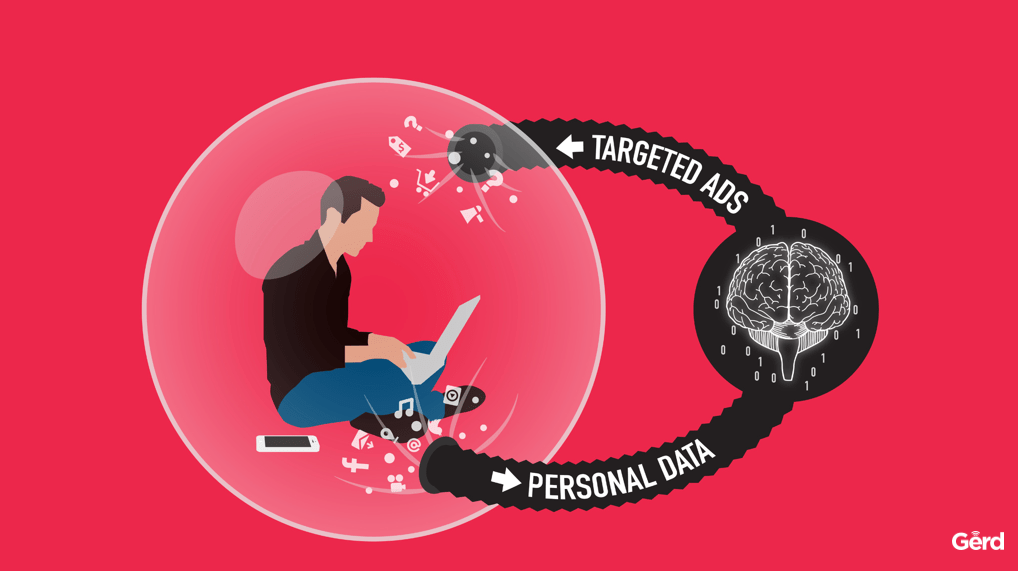
    Every click on Social media is controlling human beings, A clicking on brain in order to get manipulated
    Do you control your clicks or your clicks control you ? Picture credits : Pixabay

    The erosion of privacy is a shared trait between Orwell’s world and ours. Consider the information you willingly share on your social media – your location, interests, relationship status, and more. These details contribute to algorithms’ ability to understand you and create content that aligns with your preferences.. Algorithms exploit this openness to tailor content delivery. This exchange of privacy for convenience resonates with the novel’s themes, where privacy was a scarce commodity traded for societal order.

    Study : A study conducted by Kaspersky in 2021 revealed that 57% of users are uncomfortable with the amount of data collected about them online. Despite this discomfort, users often continue to engage with platforms, inadvertently surrendering their personal information in exchange for seamless experiences.

    Shaping Reality: Manipulation of Information

    In ‘1984,’ the party manipulated historical records to maintain control over truth. Similarly, algorithms can prioritize certain content over others, potentially molding users’ perspectives and knowledge. The digital realm becomes a reflection of the novel’s dystopian society, where information was not a fact but a malleable concept.

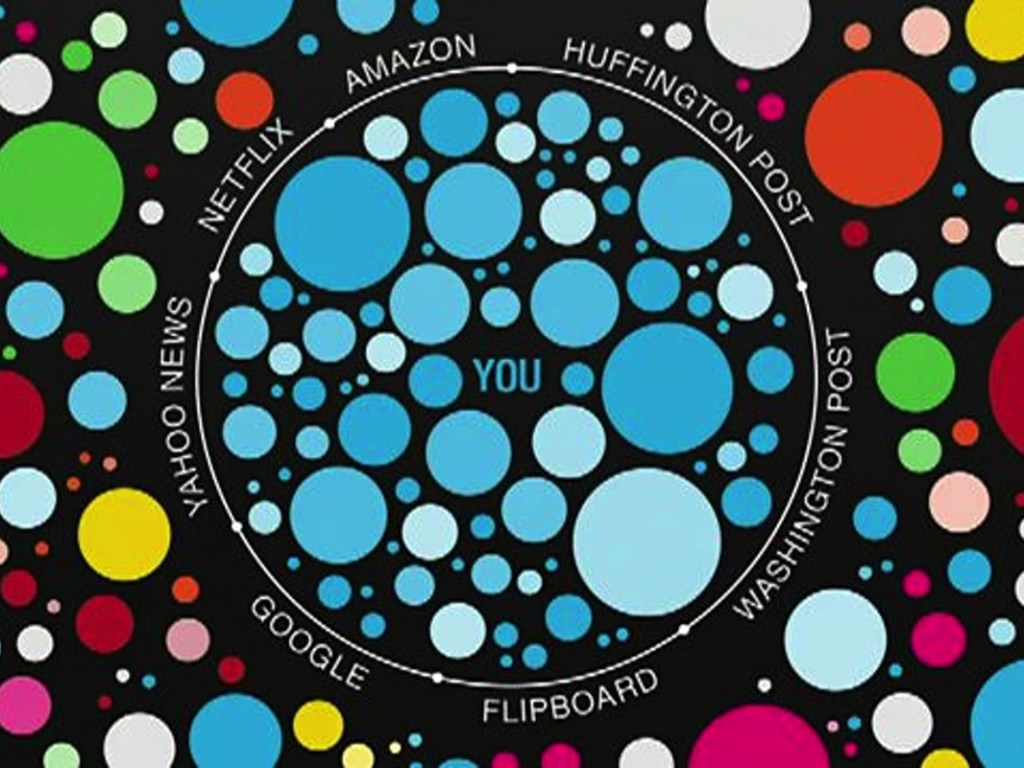
    What is filter bubble and how it works

    Study: A research paper titled “The Filter Bubble: What the Internet Is Hiding from You” by Pariser (2011) discusses how algorithms create filter bubbles, limiting exposure to diverse viewpoints. This algorithmic curation shapes the information landscape and influences users’ understanding[ of reality.

    The Echo Chamber Effect

    Source : A person caged in a bubble of echo chamber taken from Technology vs. Humanity website

    Both Orwell’s world and today’s digital landscape give rise to echo chambers, spaces where individuals are exposed only to ideas that reinforce their existing beliefs. In ‘1984,’ this reinforced conformity, while in the digital age, it contributes to the polarization of societies, hindering meaningful dialogue and understanding.

    Echo chambers created by social media algorithm very well explained

    Study: A study published in the Proceedings of the National Academy of Sciences in 2018 explored the phenomenon of echo chambers on social media platforms. The study found that users are more likely to engage with content that aligns with their existing beliefs, leading to the amplification of ideological divisions.

    Diminishing Critical Thinking

    Social media platforms prioritize content that garners high engagement. If users engage more with sensational or emotionally charged content, the algorithm will show more of the same, potentially steering you away from balanced, thought-provoking content. Orwell depicted a society devoid of independent thought, a concept mirrored in the digital realm by algorithms tailoring content to users’ existing preferences. By limiting exposure to diverse viewpoints, algorithms inadvertently discourage critical thinking, drawing a concerning parallel with the thought control mechanisms in ‘1984.’

    Study: A study published in the journal ‘Information, Communication & Society’ in 2016 discussed the potential negative impact of algorithmic content curation on critical thinking. The study emphasized that algorithmic filtering can create cognitive biases and hinder users’ ability to evaluate information objectively.

    Manipulation Redefined

    Just as Orwell’s party used propaganda to manipulate citizens, algorithms subtly influence user behavior by suggesting content, products, and even shaping political decisions. The distinction between external manipulation and self-determined choice becomes blurred as we navigate an online landscape carefully curated by algorithms.

    Study: A study published in the journal ‘Proceedings of the National Academy of Sciences’ in 2014 examined how emotions can be spread through social networks via algorithmic exposure. The study’s findings underscore the potential of algorithms to impact user emotions and behaviors.

    Erosion of Trust and Information Integrity

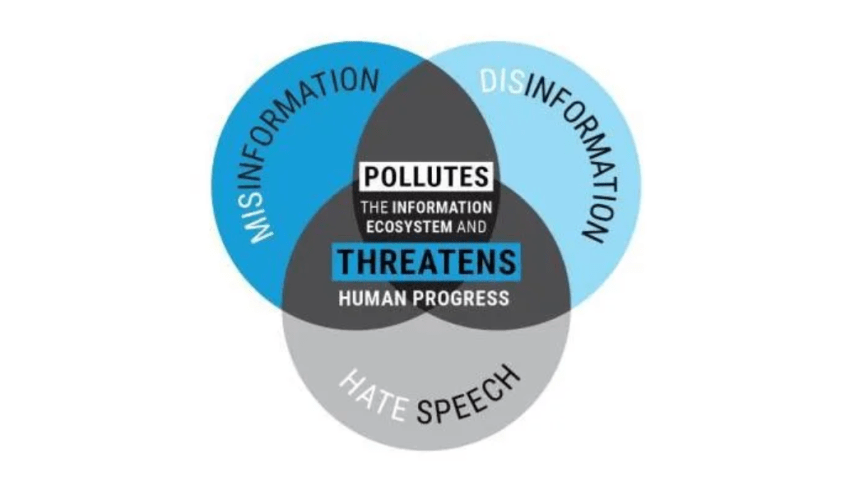
    An infographic about information integrity by UN

    false information that is disseminated intentionally to cause serious social harm”. Disinformation is described by the United Nations Educational, Scientific and Cultural Organization (UNESCO) as false or misleading content that can cause specific harm, irrespective of motivations, awareness or behaviors. 

    The viral spread of conspiracy theories, unverified claims, and doctored images on social media platforms highlights the challenge of maintaining information integrity. Such instances undermine the credibility of online information sources. In ‘1984,’ the party distorted truth to maintain control, akin to the distortion of facts in today’s misinformation-laden digital environment. The spread of fake news erodes trust in institutions, much like the party’s manipulation of information erodes trust in reality. The challenge of discerning truth from falsehood becomes an inherent struggle.

    Study: A study conducted by the Reuters Institute for the Study of Journalism in 2020 found that people’s trust in news and information sources is declining due to the proliferation of misinformation on social media platforms. Algorithms contribute to the dissemination of both accurate and false information, blurring the lines between reliable sources and unreliable ones.

    The Isolation Paradox

    Surrounded by people yet lonely
    Picture credit : Pixabay

    Spending hours scrolling through social media feeds might create an illusion of connection, but studies show that excessive social media use can lead to feelings of loneliness and isolation, as it replaces meaningful face-to-face interactions. Orwell’s society was marked by isolation, where personal connections were scarce.  Paradoxically, our hyper-connected digital age, driven by algorithms, has also led to increased social isolation. As the sense of genuine human connection diminishes, echoing the themes of detachment in ‘1984.’

    Study: A study published in the American Journal of Preventive Medicine in 2017 linked high social media usage to increased feelings of social isolation among young adults. The study suggested that excessive use of social media, driven by algorithmic content delivery, can lead to a sense of disconnection from real-life relationships.

    Navigating the Algorithmic Landscape: Future Concerns

    As algorithms continue to evolve, concerns about algorithm awareness, transparency, and ethical considerations come to the forefront. The unintended consequences of algorithmic decision-making, such as filter bubbles and algorithmic bias, mirror the complexities faced by citizens in ‘1984.’ Striking a balance between technological advancement and ethical use of algorithms is crucial for shaping a positive digital future.

    Study: A study published in the journal ‘Science‘ in 2018 demonstrated that certain algorithms used in healthcare settings exhibited racial and gender bias, potentially leading to unequal treatment. This study underscores the importance of scrutinizing algorithms for biases that could perpetuate societal inequalities.

    Unforeseen Outcomes of Algorithmic Complexities

    Protagonist, Winston, ignited a rebellion with unforeseen consequences. Similarly, the intricate nature of algorithms could lead to outcomes that were never intended. This unpredictability poses challenges as we navigate a digital world where the consequences of our clicks are far-reaching and potentially profound.

    Study: A study published in the journal ‘Nature Communications’ in 2020 discussed the challenges of predictability and control in complex systems, drawing parallels to algorithmic decision-making. The study highlighted that even well-designed algorithms can produce unintended outcomes due to their interaction with complex environments.

    The Battle for Controlled Narratives

    In both realms, the control of information distribution shapes public narratives. In the digital age, algorithms wield similar influence, determining which information reaches users, thereby shaping perspectives and potentially consolidating power in the hands of tech giants.

    Study: A study published in the ‘Journal of Communication’ in 2019 discussed the power dynamics in algorithmic content curation. The study emphasized that the algorithmic selection of information influences users’ perceptions of reality and their understanding of social issues.

    Algorithm Awareness and Ethical Considerations

    The increasing prevalence of algorithms in our lives demands greater algorithm awareness and ethical considerations. Just as citizens in ‘1984’ were unaware of the extent of surveillance, many users today are unaware of how algorithms shape their online experience. Calls for algorithmic transparency and accountability echo the need for ethical considerations in technology-driven societies.

    Confronting the Parallels

    In summary, the uncanny parallels between Orwell’s ‘1984’ and the contemporary algorithm-driven digital world are impossible to overlook. From surveillance and data collection to manipulation of information and societal impacts, the echoes of dystopia reverberate through the fabric of our digital existence. While technology empowers us, it also challenges us to safeguard our privacy, autonomy, and the integrity of information.

    Reflecting on Our Path Forward

    The profound words of Thomas Jefferson, “The price of freedom is eternal vigilance,” resonate more than ever in a world where clicks shape our reality. The prescient observation by Marshall McLuhan, “We shape our tools, and thereafter our tools shape us,” is a call to introspection as we navigate the intricate interplay between technology and society. As we continue to embrace the potential for progress, let us not forget the lessons of ‘1984’ and strive to ensure that our clicks empower us, rather than control us.

    About the blog

    Join CyberZen on this transformative journey, where CyberWisdom unravels the digital maze, leading to a conscious, compassionate, and connected global community. Don’t forget to follow me on:

    Newsletter

    Subscribe to my email newsletter for the knowledge that equip you with to take control of your digital life.

    Designed with WordPress.com

  • Growing Importance Of Internet Maturity

    Growing Importance Of Internet Maturity

    Gifts are free but maturity is expensive

    Bill Johnson

    The simple answer is by becoming Internet Mature

    Internet Maturity

    Internet maturity is an understanding of the 21st-century Internet and being well aware of the threats and dangers present over it while making the best use of the opportunities it presents. Since web 2.0 gives us the liberty to make and share our own content, an Internet mature person must know how to create digital content such as presentations, and videos, how to work in MS office, photography, and more. One should also know which is the best platform to share the content.

    Characteristics of a mature Internet person

    1)They are highly concerned about their Online Reputation and always make conscious decisions about the kind of content they are sharing or is being shared by their friends about them. Because they know that the Internet never forgets.

    2)They know the mature way of online relationship building. They don’t trust everyone who sends a friend request or writes praising comments. They make sure to check a stranger’s background, profile, and mutual trustworthy friends before engaging with him/her.

    3)They understand that sharing personal information such as phone number, school name and address, house address, and live location can be an open invitation for cybercriminals.

    Keep yourself Safe

    Keep yourself safe online by using the Safety Mantra given by iMature which is the FAST CAR & Secret location.

    • F-Firewall A-Antivirus
    • S-Strong password T-Trust with caution
    • C-Confidence to deal with cyberbullies
    • A-Avoid-antisocial elements online
    • R-Report-about cyberbullies and antisocial elements

    Secret Location Keep your physical locations secret from strangers online. In the post covid era where every aspect of life has become digitized, being Internet Mature is a need of the hour. So, Be Mature-Be Secure!

  • From Tools to Manipulation: Dark side of technological advancement

    From Tools to Manipulation: Dark side of technological advancement

    Manipulation, sloganizing, depositing, regimentation, and prescription cannot be components of revolutionary praxis, precisely because they are the components of the praxis of domination.

    Paulo Freire

    In today’s fast-paced digital era, companies are competing vigorously for one of the most valuable resources: your attention. The advent of technological advancements has not only changed the way we work and perceive the world but has also given rise to a new market of data – one that trades in the future of humanity.

    Every action we take in the online realm is being recorded and meticulously watched. As Twitter’s former executive, Jeff Seibert, points out, these companies have more information about us than ever before in human history. From our personality types to our romantic partners, they have detailed logs of our lives. But their intentions don’t stop at merely collecting data; they use it to build intricate models  that predict our every action, from the videos we watch to the photos we like. It’s a world where technology has transitioned from being tool-based to manipulation-based.

    The Main Goals of These Companies

    Let’s delve into the primary goals that drive these tech companies:

    1. Engagement Goal – Keeping You Hooked – They aim to keep you constantly engaged, ensuring you spend as much time on their platforms as possible. The longer they can hold your attention, the more valuable you become to them.

    2. Growth Goal – Ensuring You Keep Coming Back for More These companies want to create addictive user experiences, leading you to keep returning to their platforms day after day.

    3. Advertisement Goal – Targeting You with Personalized Ads by collecting vast amounts of data about you, they can tailor advertisements specifically to your interests and preferences, increasing the likelihood of you making a purchase.

    The World of Online Connection

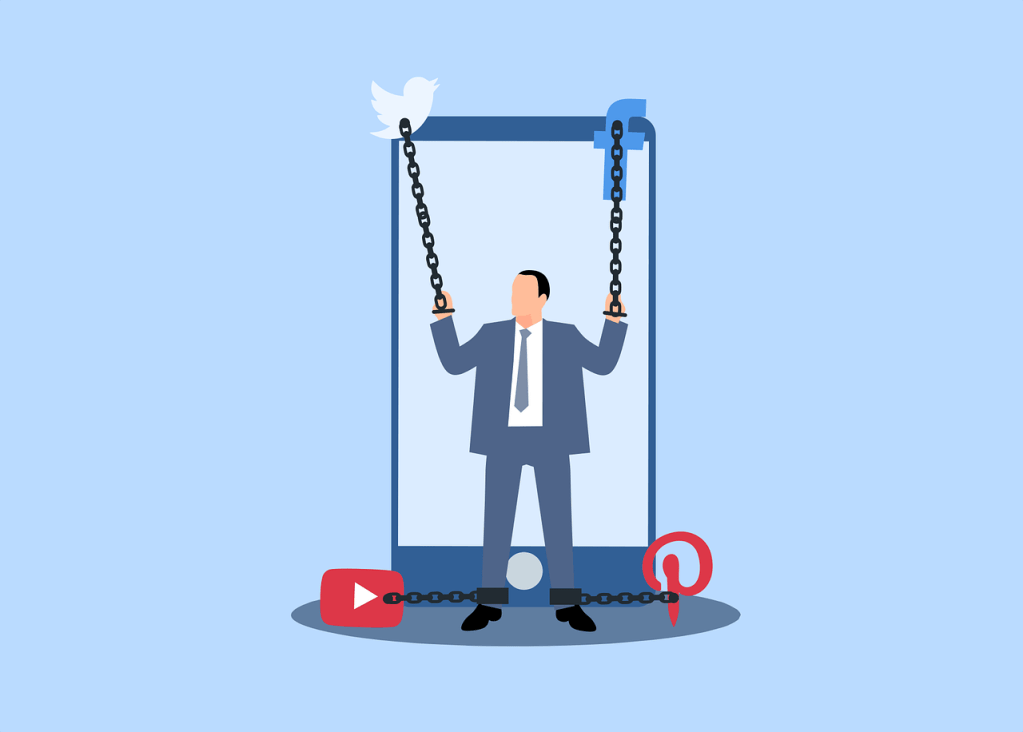
    Technology is a gift for mankind but slowing it is obscuring our life 

    online connections have become primary in our lives because they tap into our psychological tendencies, such as the need for validation, the desire for social belonging, and the quest for self-expression

    In this technologically driven world. We’ve become accustomed to refreshing our pages and being rewarded with new content, an experience known as positive intermittent reinforcement. This psychological tactic keeps us coming back for more, seeking that satisfying feeling.

    Companies also leverage our inherent need for tagging and social validation to maintain our attention. The “typing” indicator on messaging platforms is strategically used to keep us engaged, waiting eagerly for the response.

    Unknowingly Used as Lab Rats

    Unbeknownst to many of us, we are unwittingly used as lab rats by these companies. They exploit vulnerabilities in human psychology, manipulating our behavior to keep us hooked on their platforms. As technology evolves, algorithms play a significant role in guiding our attention and actions. The unsettling truth is that our choices and decisions are influenced by these algorithms, designed to shape our online experiences.

    Back in 2014, Facebook conducted a pretty interesting (and controversial) Emotional Contagion Study. They wanted to see how our emotions can be influenced by what we see online, so they played around with our News Feeds. Some lucky users got to see positive stuff, while others saw more negative content. And guess what? It had an impact! Those who were surrounded by positive posts started sharing more positivity, while the ones exposed to negative updates ended up posting more negative stuff. Quite fascinating, right? But it also sparked a debate about whether such experiments should have been done without our knowing. After all, emotions are powerful, and we should have a say in what we’re exposed to online.

    Beyond Tools: The Age of Manipulation

    Picture credit – Pixabay

    Intriguingly, only two industries refer to their customers as “users” – the illegal drug industry and the software industry. This striking similarity highlights how technology has transitioned from being a mere tool to a potent means of manipulation. As our attention is meticulously guided by algorithms, we must recognize the implications and consequences.

    Instagram’s “Like” Button and Notifications (2021): Instagram, a widely-used social media platform, employs psychological tactics to ensure user engagement. A notable example is the infamous “Like” button, which triggers a release of dopamine in the brain when users receive likes on their posts. This pleasurable sensation reinforces the desire for more likes, resulting in addictive behavior and prolonged usage of the platform. Moreover, Instagram’s notifications are strategically crafted to entice users to check the app frequently, fostering a sense of constant connection and dependency. These deliberate tactics keep users hooked, contributing to the platform’s popularity and the amount of time spent on it.

    • Netflix’s Content Recommendation (Ongoing): Netflix’s recommendation system is a prime example of how tech companies manipulate user behavior to increase engagement. By analyzing user viewing history and preferences, Netflix provides personalized content suggestions, creating a seamless and binge-worthy viewing experience. This personalization keeps users immersed in the platform for longer periods, ultimately leading to increased subscription retention and revenue for Netflix.

    The Severe Consequences

    The consequences of these manipulations are severe, especially for the younger generation. In a groundbreaking study spanning the past decade, researchers have delved into the intriguing world of “addictive technological behaviors” and their deep connections with comorbid psychiatric disorders. Such as  attention-deficit/hyperactivity disorder( ADHD), obsessive compulsive disorder (OCD), Anxiety, Depression etc. 

    The sense of self-worth and identity among kids is being affected as they chase a fake sense of popularity online, often leading to serious consequences. Disturbingly, suicide rates among girls aged 15-19 increased after 2010-11, indicating the gravity of the situation. An entire generation is being conditioned to use digital pacifiers to escape real-life situations, impacting their mental and emotional well-being.

    Algorithms: Opinions Embedded in Codes

    The exponential technological advancements are facilitated by algorithms, which Cathy O’Neil, Author of Weapons of Math Destruction, aptly describes as opinions embedded in codes. These algorithms influence our passive perceptions, shaping the information we receive and consume.

    These algorithms are not like the traditional weapons we see in action movies, but they can be just as destructive. They lurk behind computer screens and are used in various areas of our lives, like education, job applications, and even our interactions with the criminal justice system.

    One of the most troubling aspects of the Weapons of Math Destruction book is how they perpetuate biases. You might be wondering, “What are biases?” Well, biases are unfair beliefs or judgments that favor one group of people over others. Unfortunately, some algorithms unintentionally carry these biases, leading to unfair and unequal treatment for certain groups.

    In education, for example, some algorithms determine whether a student gets accepted into a school or not. But here’s the catch: these algorithms might unfairly favor certain students based on their background, race, or even zip code. This means that deserving students might be left behind while others with advantages get ahead.

    The job application process is no exception. Some companies use algorithms to screen candidates for job positions. While this might sound efficient, these algorithms could end up unfairly favoring certain applicants and excluding others due to factors like their name or the school they attended. This can lead to a lack of diversity in the workplace and hinder people’s chances of getting the job they deserve.

    Reclaiming Control and Realizing Our Worth

    As we navigate this era of technological manipulation, it’s essential to be conscious of the impact technology has on our lives. Let’s strive to reclaim control of our attention and actions. We are more than mere data points, and our worth cannot be defined by algorithms. It’s time to strike a balance between the benefits of technology and the preservation of our well-being, ensuring a healthier and more mindful relationship with the digital world.

    Reclaiming control and realizing our worth in the digital era is crucial for maintaining a healthy relationship with technology and preserving our well-being. Here are some practical ways to achieve this:

    1.      Digital Detox  Take regular breaks from digital devices and social media. Designate specific times during the day to disconnect and engage in activities that promote physical and mental well-being, such as exercise, reading, or spending time with loved ones.

    2.      Set Digital Boundaries Digital boundaries are a set of rules that you create that help you to limit your time on digital devices. Establish clear boundaries for technology usage, both in terms of time and content. Avoid bringing digital devices to the bedroom and allocate specific periods for work, socializing, and leisure activities online.

    3.      Limit Social Media Use  Social media can be addictive and lead to feelings of inadequacy. Limit the time spent on social media platforms, and consider unfollowing accounts that make you feel negatively about yourself.

    4.      Unplug Regularly  Make it a habit to unplug from technology during meals, gatherings, or important events. Be present in the moment and focus on genuine human interactions without the distraction of screens.

    5.      Prioritize Offline Activities  Engage in hobbies and activities that don’t involve screens. Pursue interests like painting, playing a musical instrument, or engaging in sports to foster a sense of accomplishment and fulfillment.

    6.      Practice Mindfulness  Cultivate mindfulness by staying aware of your digital habits. When using technology, be conscious of the content you consume and how it makes you feel. Mindfulness helps you make conscious choices about your digital engagement.

    7.      Connect Face-to-Face  Prioritize face-to-face interactions whenever possible. Meet friends, family, or colleagues in person to foster deeper connections and reduce the reliance on digital communication.

    8.      Control Notifications  Notifications are meant to draw your attention. They not only make us open the app but also increase impulsive behavior. It is better to customize your device’s notification settings to minimize distractions. Turn off non-essential notifications to reduce the constant urge to check your phone or computer. 

    9.      Educate Yourself  Stay informed about the impact of technology on mental health and well-being. Read books and articles that discuss the effects of excessive screen time and learn about strategies to mitigate negative consequences.

    10.   Digital Cleanse  Periodically review and declutter your digital life. Delete unused apps, unsubscribe from email lists, and organize digital files to create a less cluttered and more focused digital environment. 

    11.   Develop Offline Hobbies  Cultivate interests that encourage you to spend time away from screens. Gardening, hiking, cooking, or volunteering are examples of fulfilling offline activities.

    12.   Practice Self-Compassion  Be kind to yourself and avoid comparing your life to others’ highlight reels on social media. Remember that everyone’s journey is unique, and you are more than your online presence.

    By implementing these strategies, you can regain control over your digital life, reduce the negative impact of technology, and recognize your worth beyond the virtual realm. Embrace a balanced approach to technology use, one that enhances your life while preserving your mental and emotional well-being.

    So, the next time you find yourself mindlessly scrolling through your screen, remember that you hold the power to break free from the cycle. Reconnect with the real world, cherish genuine human interactions, and embrace the beauty of living beyond the boundaries of virtual manipulation.

  • Digital Betrayal: How Snapchat and Instagram Sexting Plunge Minors into Darkness

    Digital Betrayal: How Snapchat and Instagram Sexting Plunge Minors into Darkness

    Sending a sexually explicit message or photo may seem like a harmless fun activity, but for minors, it can lead to serious legal and emotional consequences. According to a survey conducted by the Cyberbullying Research Centre, 15% of teens have sent a sexually explicit message, and 22% have received one.

    The rise of social media platforms has given young people a new way to explore and express their sexuality through sexting. However, this dangerous practice can have serious legal, emotional, and social consequences, especially for minors. In this article, we will explore the risks of sexting on Instagram and Snapchat and suggest ways to protect our young generation from the fallout.

    The Dangers of Sexting on Instagram and Snapchat

    The virtual world has expanded beyond the boundaries of the physical world, and young people have pushed the limits by sharing personal information in the form of texts, photos, and videos with both friends and strangers on social media platforms like Instagram and Snapchat. While the 21st-century internet has provided us with liberty, it also comes with the responsibility of handling it maturely. Unfortunately, not everyone is capable of doing so, and minors, in particular, can easily fall prey to the dangers of sexting.

    Legal Repercussions

    Minors who engage in sexting are often unaware that sharing explicit content in the form of texts, photos, and videos is illegal for underage individuals. According to a study by the Crimes Against Children Research Centre at the University of New Hampshire, approximately 15% of teenagers have sent sexually explicit messages or images of themselves to others, and one-third of those who have sent such messages have sent them to people they have never met.

    Sexting is not defined or addressed by any law in India. But it may attract the following provisions Section 67B deals with severe penalties for sharing child pornography electronically. In India, Under Section 14 of the POCSO Act, 2012 whoever uses a child or children for pornographic purposes shall be punished with imprisonment of either description which may extend to five years and shall be liable to fine.

    Furthermore, adults who engage in sexting with minors can face criminal charges for child sexual exploitation, possession of child pornography, and other related offences.

    Emotional Repercussions

    The emotional impact of sexting can be particularly devastating for minors. If explicit photos or messages are leaked, the individual can be subjected to cyberbullying or harassment, leading to long-lasting emotional scars. In some cases, these emotional consequences can lead to clinical problems like depression, suicidal thoughts, and generalized anxiety disorder. Even if the images or messages are shared without consent, this can lead to trust issues and damage personal and platonic relationships. According to a study by the American Psychological Association, sexting among adolescents is associated with a greater likelihood of engaging in risky sexual behaviors and experiencing sexual coercion.

    Cyberbullying and Harassment

    Sexting can make minors vulnerable to cyberbullying and harassment, especially if the content is shared without their consent. In such cases, the emotional impact can be severe, and the victim may feel ashamed, embarrassed, and humiliated. This can lead to further bullying and harassment, making it difficult for the victim to escape the situation. A study by the Cyberbullying Research Centre found that 12% of teens have reported being threatened or harassed online due to sexting, and 5% have reported being pressured to send sexual content.

    Increased Risk of Sexual Exploitation

    Once a message or image is sent, it can be forwarded to unintended recipients, which can have severe consequences. For instance, images or videos can be shared online without the sender’s consent, which can lead to humiliation and negative social consequences. Hence, minors who engage in sexting are at an increased risk of sexual exploitation, both online and in the real world. Paedophiles can easily exploit these vulnerable individuals, and the consequences can be severe. A study by the National Society for the Prevention of Cruelty to Children found that 40% of young people who had sent explicit images reported that those images had been shared without their consent.

    Damage to Online Reputation

    In the digital age, online reputation is as important as the offline reputation of an individual. Whether it is higher education or a professional career, everyone does background verification before on boarding. In the case of sexting, it can be very difficult to apply for higher education or even get employed in a reputable organisation. According to a study by the Cyberbullying Research Centre, 24% of teens who have sent or received explicit content reported negative consequences in their academic or professional lives.

    Possible Causes Why Minors Indulge in Sexting

    Understanding the underlying causes of minors engaging in sexting can help address the issue effectively. While the algorithm of Instagram and Snapchat may contribute to the exposure of explicit content, there are other factors at play as well:

    ·   Not So Diversified Social Group

    Having a limited social group can also be a reason for minors indulging in sexting. When individuals are surrounded by the same type of content, it can create a monotonous timeline that lacks diversity. This lack of exposure to different perspectives and interests may contribute to curiosity and experimentation with sexting.

    ·   Peer Pressure

    Adolescents may feel pressured by their peers to engage in sexting behavior as a way to fit in or gain popularity. The fear of being left out or being judged by peers can push young individuals to participate in activities they may not fully understand the consequences of.

    ·   Lack of Awareness

    Some adolescents may not fully understand the potential risks and consequences of sexting, such as the possibility of the images being shared without their consent or the potential legal consequences. Lack of comprehensive sex education or guidance from adults can leave minors unaware of the potential dangers involved.

    ·   Sexual Curiosity

    Adolescents are naturally curious about sex and sexuality, and sexting may be seen as a way to explore their sexual interests. The ease of access to explicit content online and the influence of media can contribute to heightened curiosity and experimentation.

    ·   Attention-Seeking Behaviour

    Some adolescents may engage in sexting as a way to seek attention or validation from others. In a hyper connected world where social validation plays a significant role, young individuals may turn to sexting as a means of gaining attention or feeling desired.

    ·   Coercion

    Unfortunately, some adolescents may be coerced or pressured into sexting by their partners or others. Manipulative individuals may exploit vulnerabilities and use emotional tactics to convince minors to engage in sexting, creating an unhealthy power dynamic.

    How to Help yourself?

    Cyber Civil Rights Initiative (CCRI): CCRI is a nonprofit organisation that offers resources and support for individuals who have experienced non-consensual image sharing, also known as “revenge porn.” They provide guidance on how to take legal action, remove explicit content from the internet, and cope with the emotional aftermath.

    Childline India Foundation: Childline India Foundation is a helpline dedicated to protecting children’s rights and well-being. Minors in India facing issues related to sexting can reach out to Childline for assistance.

    Helpline: 1098

    How to Save Our Young Generation?

    Preventing underage sexting requires a multi-faceted approach that involves parents, educators, and policymakers. Let’s explore some ways to protect our young generation from the risks of sexting:

    Discuss the Permanence of Digital Content: Help your child understand that anything shared online, including sexts or explicit content, can be permanent and may have long-term consequences. Remind them that even if they delete something, it can still be retrieved or shared by others.

    Role of Parental Control Tools: Parents can take an active role in protecting their children by monitoring their online activity, setting boundaries, discussing the potential risks and consequences of sexting, and utilizing parental control tools. Tools such as 

    1. FamiSafe parental control software
    2. Windows Family Safety
    3. Kaspersky Total Security
    4. kidlogger Parental Control
    5. OpenDNS FamilyShield
    6. Mobicip
    7. Surfie
    8. Net Nanny Parental Control
    9. Norton Online Family
    10. Kids Watch Pro

    can help parents limit their child’s access to certain content and applications, track their online activity, and set time limits for device usage. By combining these strategies, parents can help reduce the risk of their children engaging in sexting behaviours.

    Role of Digital Parenting

    Digital parenting plays a crucial role in guiding children to have a healthy and responsible digital experience. Parents should impart digital Sanskar to their children, which includes teaching them to capitalise on online opportunities, while staying away from threats and dangers of the online world. 

    Teach Responsible Digital Citizenship

    Instil the values of responsible digital citizenship in your child. Teach them about empathy, respect, and the importance of considering the consequences of their actions online. Encourage them to be mindful of their digital footprint and how it can impact their future.

    Highlight the Importance of Consent: Teach your child about the significance of consent in any form of communication, online or offline. Emphasise that sharing explicit content without someone’s consent is not only disrespectful but also illegal.

    Set Clear Boundaries: Establish clear rules and boundaries regarding internet usage and device access. Discuss what kind of content is appropriate to share and what is not, and the consequences of breaking these rules.

    Educate on Privacy and Online Safety: Teach your child about the importance of privacy and the potential risks of sharing personal information online. Help them understand the significance of maintaining control over their own digital identity and the potential consequences of sharing explicit content.

     Open and Honest Communication

    Establish an environment of trust and open communication with your child. Talk to them about the potential dangers of sexting, including the legal and emotional consequences. Encourage them to approach you if they have any concerns or questions.

     Foster the growing importance of Internet Maturity: Help your child develop internet maturity by guiding them to make responsible choices online. Teach them critical thinking skills, how to verify information, and how to recognize and handle inappropriate or harmful content. Encourage them to think before they share anything online.

     Bottom Line

    In conclusion, while social media platforms like Snapchat and Instagram have revolutionised communication and connectivity, they have also introduced new risks, particularly in the realm of sexting. For minors, engaging in sexting can lead to serious legal, emotional, and social consequences. The consequences of such actions can have a lasting impact on their lives, affecting their mental health, personal relationships, and future prospects.

    To protect our young generation, it is essential to raise awareness about the dangers of sexting and provide comprehensive sex education. Parents, educators, and policymakers must work together to promote responsible digital citizenship and teach minors about the importance of privacy, online safety, and responsible internet usage.

    Empowering minors with the knowledge and understanding of the potential risks and consequences of sexting can help them make informed decisions and avoid falling into the darkness of digital betrayal.

    FAQs

    1. Is sexting always illegal?

    While sexting itself may not be explicitly illegal in all jurisdictions, sending explicit content involving minors can lead to severe legal consequences, especially for adults involved in such activities with minors.

    2. Can sexting lead to cyberbullying?

    Yes, if explicit content is shared without consent, it can lead to cyberbullying and harassment, causing emotional distress to the individuals involved.

    3. How can parents protect their children from sexting risks?

    Parents can protect their children by maintaining open communication, setting boundaries, and utilising parental control tools to monitor their online activity.

    4. Are there any long-term emotional consequences of sexting?

    Yes, sexting can lead to long-lasting emotional scars, including depression, anxiety, and trust issues, particularly if the content is shared without consent.

    5. What role does digital parenting play in preventing sexting?

    Digital parenting is crucial in guiding children to have a responsible and safe digital experience. It involves teaching them about privacy, online safety, and responsible digital citizenship.