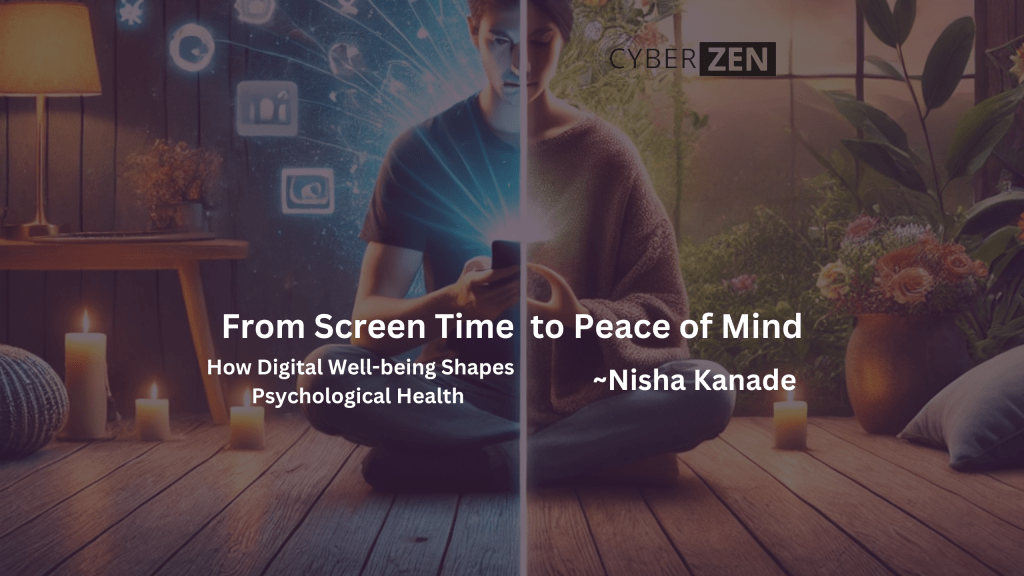
Have you ever felt a dip in your mood after scrolling through social media for hours? Or noticed that, despite the constant pings and notifications connecting you to the world, you’re left feeling isolated and irritable? I remember a time when, after spending hours online late into the night, I woke up feeling disconnected and foggy—a strange irony, considering all those hours were spent “connecting.” Many of us have had similar moments, and they hint at a broader issue: our digital and psychological well-being are tightly interwoven, creating cycles that can impact our mood, mental resilience, and satisfaction with life.
Understanding this link is essential for fostering a balanced relationship with technology—one that supports rather than detracts from our mental health. Let’s dive deeper into how digital well-being impacts our psychological state and explore practical steps to rebalance.
What Is Digital Well-being?
Digital well-being isn’t just about tracking screen time or cutting back on social media. It’s a purposeful, mindful approach to technology that prioritizes our mental, emotional, and physical health. UNESCO defines digital well-being as “the enhancement and improvement of human well-being, in the intermediate and long term, through the use of digital media.” This definition underscores that a healthy relationship with technology isn’t anti-digital; it’s about maintaining harmony between digital engagement and broader well-being goals.
For example, think of digital well-being like diet and exercise: Just as balanced eating and regular exercise support physical health, managing our digital habits promotes mental and emotional wellness. It’s about using technology to enhance our lives without letting it take control.
The Link Between Digital and Psychological Health
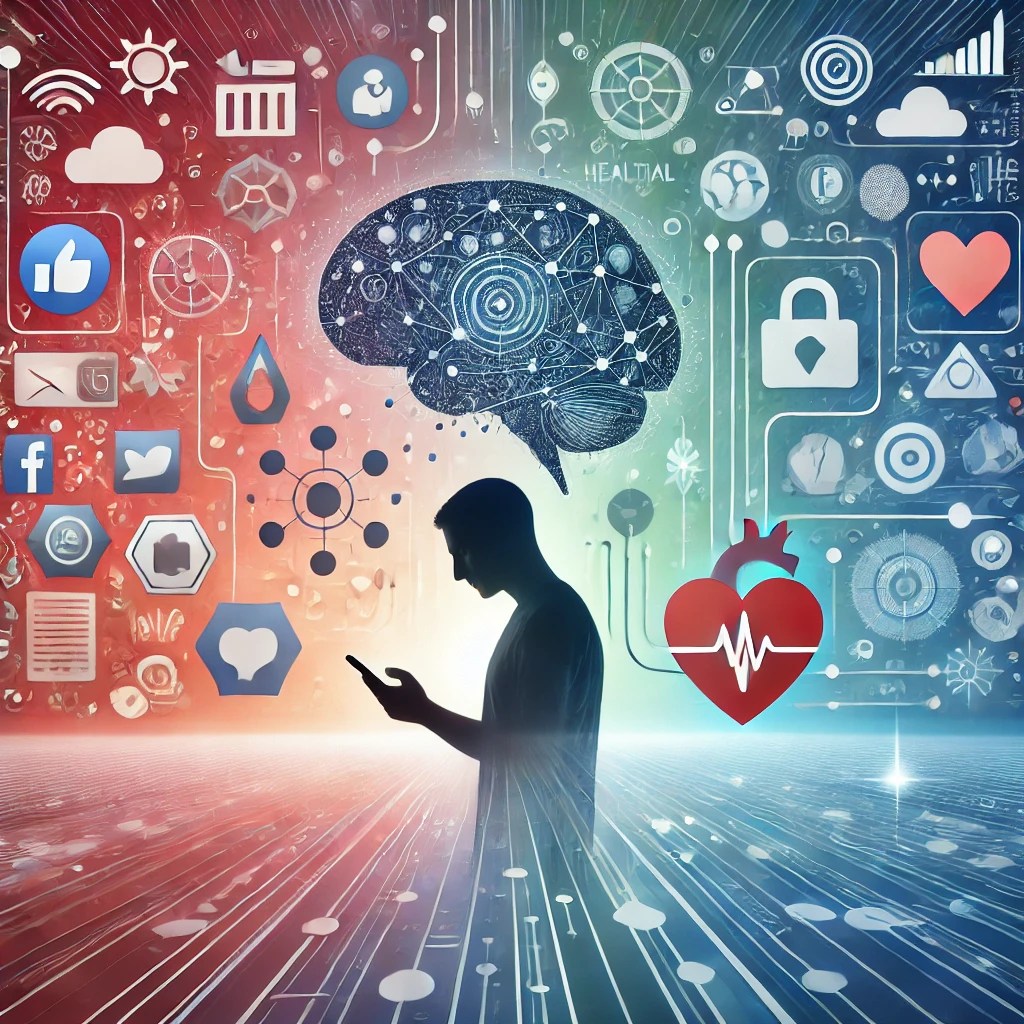
Psychological health and digital habits are two sides of the same coin. Healthy digital use can boost our mental state, while poor digital habits can drag it down. A lack of digital well-being often results in constant connectivity, social comparison, and even digital addiction—all of which can strain mental health. Conversely, poor mental health can push us toward unhealthy digital behaviors, creating a reinforcing cycle that can feel hard to escape.
Consider a few statistics:
- Social Media and Depression: Studies show that people who spend over two hours a day on social media are more likely to report symptoms of depression and anxietyeen Time and Sleep**: Excessive screen time is linked to poor sleep quality, which can exacerbate feelings of stress and irritability .
These emphasize the need to balance our digital interactions with our mental health needs.
How Digital Overuse Affects Psychological Mechanisms
The effects of digital overuse run deeper than simple screen fatigue. It taps into psychological mechanisms that can make us more dependent on our devices and increase mental strain. Here’s how:
The Hedonic Treadmill
Digital spaces can keep us on a “hedonic treadmill,” where satisfaction is brief and elusive, pushing us to seek more engagement for the same level of pleasure. Social media and gaming apps, for example, are designed to deliver quick bursts of joy that fade almost immediately, leaving us wanting more. This cycle fosters a sense of emptiness and dissatisfaction, like running on a treadmill that never ends.
Emotional Contagion Through Algorithms
Algorithms amplify emotional content, fueling “emotional contagion,” where users unconsciously absorb and mirror the emotions they see online. Research from Cornell University has shown that exposure to emotionally charged posts can heighten feelings of stress, sadness, and even anger. Over time, this passive absorption of negativity can significantly impact our psychological health.
The Cycle Between Digital and Psychological Well-being
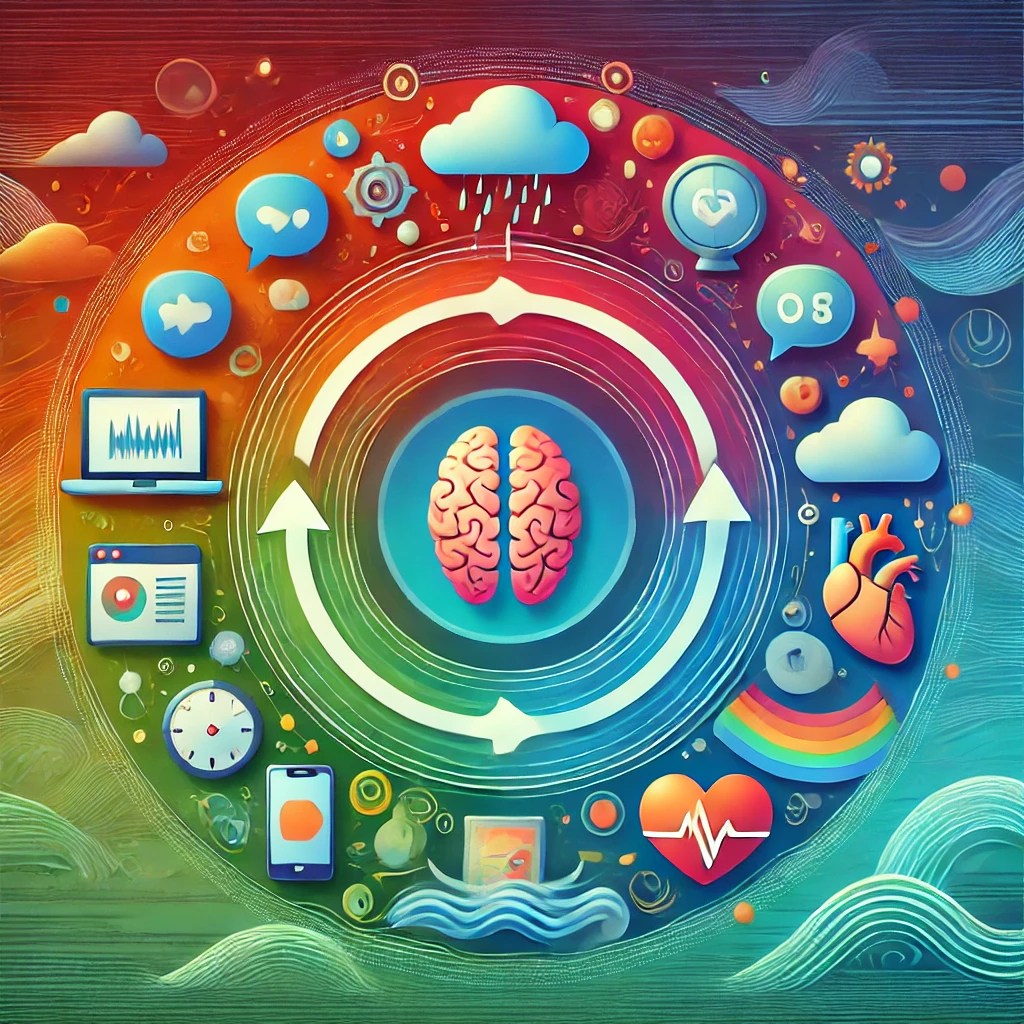
Our digital behaviors and mental health constantly influence each other, often creating a feedback loop that perpetuates imbalance.
- Mental Health Influences Digital Habits: When stressed, anxious, or lonely, we tend to seek digital distractions for comfort, whether that’s scrolling through social feeds or binge-watching shows. Although these behaviors may offer temporary relief, they often reinforce feelings of anxiety, low self-worth, and restlessness.
- Digital Overuse Worsens Mental Health: Conversely, heavy digital use tends to worsen mental health symptoms. Rather than alleviating stress or loneliness, excessive screen time can intensify these feelings, creating a loop where poor mental health leads to more screen time, and more screen time leads to poorer mental health.
Rebalancing Digital and Psychological Well-being

Breaking this cycle requires intentional strategies to nurture both digital and psychological health. Here are some science-backed strategies to help you find balance:
- Setting Digital Boundaries
Use digital well-being tools like Apple’s Screen Time or Google’s Digital Well-being app to monitor usage patterns and set screen time limits. Studies indicate that people who establish boundaries around device use report lower stress, fewer incidents of digital fatigue, and a stronger sense of control over their time and attention . - Practiciness and Taking Digital Breaks
Mindfulness techniques encourage mindful engagement with technology, helping us resist compulsive screen use. Research in Mindfulness Journal has shown that regular mindfulness practice reduces screen-induced anxiety and stress. Taking regular “digital detoxes” or setting specific device-free times also allows for a mental reset, reinforcing the connection between digital and psychological well-being. - Strengthening Real-Life Connections
In-person interactions are vital for mental well-being and offer an emotional foundation that digital connections lack. Studies from Brigham Young University highlight the importance of face-to-face interactions in fostering happiness and emotional support. Real-life connections help mitigate the isolating effects of digital interaction and lessen our dependency on screens. - Using Technology Purposefully
The purpose of our digital engagement matters as much as the time spent online. When we use technology for intentional goals—such as fitness apps for health, language apps for self-improvement, or mindfulness apps for relaxation—we transform it from a passive experience to an enriching one. Purposeful engagement helps prevent compulsive use, making technology a supportive tool for our mental well-being.
Final Thoughts: Finding Harmony Between Digital and Mental Health
Our digital and psychological well-being are intricately connected. Excessive screen use can undermine mental health, just as poor mental health can drive us to rely on digital distractions. By setting boundaries, practicing mindfulness, fostering real-life connections, and using technology intentionally, we can reshape our digital lives into a source of support rather than stress. Embracing this balance is not about cutting out technology; it’s about cultivating a relationship that enhances both mind and life.
So, as you scroll through your next feed or click on the next video, remember: it’s not about using technology less; it’s about using it better.
 CYBER ZEN
Leave a comment